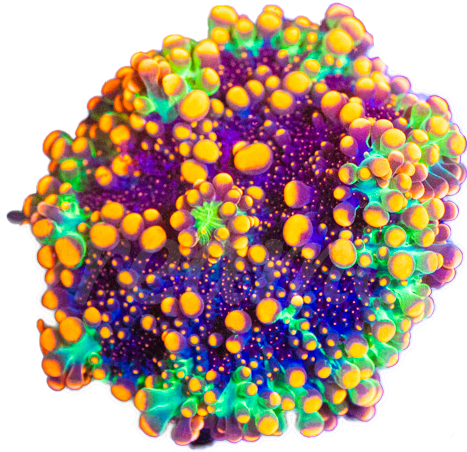
Coral reefs, often dubbed the “rainforests of the sea,” are vibrant ecosystems teeming with life. Yet, the allure of their beauty and diversity has made them a prime target for collection. When coral collecting is done irresponsibly, the repercussions on natural reefs can be profound.
The Impact of Coral Collection on Natural Reefs
Overharvesting of popular coral species can lead to significant population declines, disrupting the ecological balance of the reef. This not only affects the corals but the multitude of marine species relying on them for habitat and food. Furthermore, reckless collection techniques can physically damage the reef structure, leading to erosion and loss of biodiversity.
In addition, removing large numbers of corals can reduce a reef’s resilience to other threats, such as climate change, pollution, and disease. Given that corals play a vital role in marine ecosystems and contribute to coastal protection and fisheries, their depletion can have cascading economic and environmental consequences.
In light of these impacts, there’s an urgent need to prioritize sustainable and ethical coral collecting practices. By making informed choices and supporting responsible sources, hobbyists can play a pivotal role in safeguarding these underwater treasures for future generations.

Benefits of Aquacultured and Captive-Bred Corals
Aquacultured and captive-bred corals present an innovative shift in the coral hobby, combining environmental responsibility with the vibrant allure of marine ecosystems. Choosing these sustainable corals not only embodies a commitment to the planet but brings about a set of unique advantages for aquarists.
Foremost, aquacultured corals contribute to ecological conservation. They curtail the strain on wild reefs, aiding in preserving global marine biodiversity. By diverting the demand from natural habitats, these corals allow wild ecosystems a much-needed reprieve to recover and thrive.
What’s more, corals raised in controlled settings tend to be hardier. Accustomed to tank conditions from their nascent stages, they often display a robust resilience against common tank stressors. This inherent hardiness translates to potentially better growth rates and longevity in captive environments.
Another facet worth mentioning is their lower susceptibility to disease. Without exposure to the myriad of pathogens present in the open seas, these corals frequently exhibit stronger defenses against typical ailments, ensuring that aquariums remain vibrant and healthy.
Furthermore, embracing aquacultured corals is an indirect nod to the sustainability movement. With each purchase, aquarists are affirming their support for industries that prioritize ecological balance over short-term gains.
In a world where conservation is paramount, turning to aquacultured and captive-bred corals is not just a hobbyist’s decision but a statement of intent to protect our blue planet’s mesmerizing underwater realms.
Recognizing and Avoiding Unsustainably Harvested Corals
The marine aquarium trade is vast, and unfortunately, not all practices prioritize sustainability. To ensure the longevity of our precious reefs, aquarists must become adept at recognizing and sidestepping corals harvested unsustainably.
Research is a cornerstone. Before purchase, delve into the coral’s origin. If a retailer is evasive or lacks specific information, it’s a red flag. Reputable sellers will be transparent about their sourcing, emphasizing their sustainable practices.
Price can sometimes hint at a coral’s origin. While not definitive, extraordinarily cheap corals might be harvested en masse, without regard for environmental balance. On the contrary, sustainably grown corals, given the care and time invested, might carry a slightly higher price tag.
Visual cues can also be telling. Freshly harvested wild corals might exhibit signs of stress, like faded colors or retracted polyps. In contrast, aquacultured corals, accustomed to tank life, tend to be more vibrant and display consistent growth patterns.
Being an informed consumer and prioritizing sustainable choices plays a crucial role. By arming oneself with knowledge and a discerning eye, one can enjoy the beauty of corals without compromising the health and vitality of our world’s invaluable coral reefs.
The Role of Certifications in Coral Trade
In the intricate world of coral trade, certifications stand as beacons of trust and assurance. They serve as tangible proof that corals are sourced, grown, and sold following ethical and sustainable standards.
These certifications aren’t just mere labels; they reflect rigorous audits and assessments. For instance, many certifications require sellers to showcase their sustainable harvesting practices, ensuring minimal disturbance to natural habitats. Moreover, they must regularly demonstrate their commitment to responsible reef management and biodiversity conservation.
Another invaluable aspect is the traceability these certifications offer. Through them, a buyer can trace back a coral’s journey, from its original habitat or breeding tank to the retailer’s shelf. This transparency is pivotal, assuring consumers that they’re genuinely purchasing a sustainably-sourced specimen.
However, not all certifications carry the same weight. It’s essential for buyers to recognize and trust only reputable certifications. One must be cautious, as some might just be marketing gimmicks with no real commitment to sustainable trade.
In conclusion, certifications play an instrumental role in steering the coral trade towards sustainability and ethical practices. By supporting certified retailers, aquarists can make a meaningful impact, fostering a future where the beauty of corals is appreciated without compromising the environment.
Tips for Making Ethical Coral Purchases
In an era where sustainability and ethics play pivotal roles, making responsible choices in coral purchases can significantly impact our oceans’ health. First, research is your most potent tool. Delve deep into understanding where your corals come from, ensuring they’ve been ethically sourced.
Ask questions when visiting local stores or shopping online. Trusted sellers will be transparent about their sourcing practices and eager to share their commitment to sustainability. Educate yourself about certifications and what they stand for, and prioritize businesses that adhere to such recognized standards.
Word of mouth can be a valuable resource. Engage with fellow aquarists and reefing communities, gathering insights on reputable sources and the latest sustainable practices in coral trade. Embrace a proactive approach; remember that every purchase can either aid or harm our precious marine ecosystems.
Lastly, be patient. Ethical purchases might require more time and effort, but the rewards – both for our conscience and the environment – are immense.
In your quest for ethically-sourced corals, you have found Dreamcorals. Committed to promoting sustainable aquaculture practices, Dreamcorals ensures that every coral piece in their collection harmoniously coexists with nature’s balance. Dive into a world where passion for marine life and responsibility walk hand in hand.