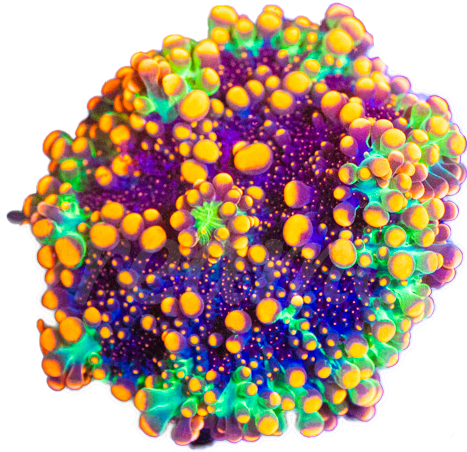
Embarking on the captivating journey of setting up and maintaining a coral aquarium is an endeavor filled with wonder and learning. From choosing the right tank size to understanding the delicate balance of water parameters, lighting, and substrate, every aspect plays a crucial role in creating a thriving underwater world. In this guide, we will explore the essential steps, equipment, and considerations required to establish and care for your coral aquarium. Whether you’re a beginner taking your first plunge into this mesmerizing hobby or an experienced enthusiast seeking to enhance your skills, you’ll find valuable insights to nurture your aquatic haven and foster the well-being of your corals.
Choosing the Right Aquarium Size
When we dive into the world of setting up a coral aquarium, one of the first decisions we face is choosing the size of the tank. This decision isn’t just about how much space you have at home. It’s about the number and type of corals you’d like, the maintenance involved, and ensuring a stable environment for your aquatic life.
For beginners, we often suggest not starting too small. Why? Because a larger aquarium holds more water, which can make the environment more stable for the corals. When there’s a change in the water’s quality, the larger volume can often help buffer those changes. This is especially helpful for the delicate corals.
Moreover, a bigger tank gives you the freedom to add various corals and fish. But we understand that space and budget can be limiting factors. That’s why it’s essential to think about your goals and what you expect from your aquarium before making a final choice.
Remember, no matter the size, the key is to be well-informed and prepared. Every aquarium, big or small, has its unique beauty. With the right care, you can create a stunning underwater world.

Important Equipment for a Coral Aquarium
Embarking on the journey of establishing a coral aquarium requires more than just passion; it calls for the right tools. Your equipment can either make or break the thriving environment you wish to create. Let’s delve into the essential gear you’ll need.
First and foremost, the importance of lighting cannot be overstated. Corals rely heavily on light for photosynthesis. The energy they derive from this process is vital for their growth. It’s imperative to invest in lights specifically tailored for corals, ensuring they emit a full spectrum of colors.
Then comes filtration. To keep your aquatic world pristine, a high-quality filter is indispensable. It’s responsible for cleaning the water, getting rid of waste, and upholding a balanced environment. The type of filter you’d need might vary based on your tank’s size. Choices range from external canister filters to sump filters.
An often overlooked aspect is water circulation. To simulate the ocean’s natural flow, your tank needs consistent water movement. Devices like powerheadsor wave makers serve this purpose, ensuring corals access essential nutrients and eliminating any stagnant zones in the tank.
Temperature control is also crucial. A heater or cooler maintains an optimal temperature range, protecting your corals from abrupt changes that can be detrimental.
In conclusion, each piece of equipment holds significance in your coral ecosystem. By equipping yourself adequately, you’re laying the foundation for a flourishing aquarium.
The Ideal Water Conditions for Corals
Every coral enthusiast knows that the water quality in an aquarium plays a pivotal role in the health and vibrancy of corals. But what are the ideal water conditions? Let’s break them down.
Salinity is at the forefront of factors to consider. Corals thrive in water with a salinity level close to natural seawater, typically between 1.023 and 1.025 specific gravity. It’s vital to frequently check and adjust these levels using a refractometer.
Temperature is another critical parameter. Most tropical corals prefer temperatures ranging from 75°F to 80°F (24°C to 27°C). Sudden fluctuations can stress corals, so using a reliable aquarium heater and cooler can ensure stability.
pH levels dictate the acidity or alkalinity of your tank. For corals, a pH range between 8.1 and 8.4 is optimal. Balance is the key, as levels too high or low can hinder coral calcification.
Alkalinity and calcium levels are intrinsically linked to coral growth. While alkalinity should ideally be maintained between 8 and 12 dKH, calcium levels should hover around 400 to 450 ppm.
Lastly, nutrients like nitrates and phosphates should be monitored. While some nutrients are necessary for coral health, high levels can lead to unwanted algae growth and potentially harm your corals.
In essence, achieving the perfect balance in water conditions requires diligence and regular testing. With the right care, your corals can not only survive but truly thrive in your aquarium.
Introducing Corals to the Aquarium: Step-by-step
Introducing corals to a new environment can be a delicate process, but with careful steps, you can ensure their smooth transition and long-term health. Here’s a step-by-step guide to make the introduction as seamless as possible:
- Acclimatization: Before introducing the corals to your aquarium, it’s essential to acclimatize them to the water temperature. Float the sealed coral bag in the aquarium for about 30 minutes. This ensures the water inside the bag matches the tank’s temperature.
- Drip Acclimation: This process acclimates corals to the water’s salinity and chemistry. Set up a drip line from the aquarium to a container with the coral. Allow water to drip slowly, roughly one drip per second, until the volume has doubled.
- Inspection: Before placing the coral into the aquarium, inspect it carefully for any signs of pests or disease. Utilize a coral dip solution if necessary to remove any unwanted hitchhikers.
- Choose the Right Location: Corals have varying needs in terms of light and flow. Research your specific coral type and place it in a spot in the aquarium that suits its individual requirements.
- Gentle Introduction: Using aquarium gloves, gently place the coral in its chosen location. Ensure it’s securely positioned so it won’t be toppled by water flow or curious tank inhabitants.
- Monitor: For the next few days, keep a close eye on your coral. Ensure it’s opening up and showing signs of health. Monitor its coloration and any growth. Adjust its position if you notice any signs of stress.
- Maintain Water Quality: Corals are sensitive to water conditions. Regularly test and adjust parameters like salinity, pH, and nutrient levels to ensure they remain optimal.
In conclusion, patience and care are crucial when introducing corals to your aquarium ecosystem. A successful introduction sets the stage for a thriving, vibrant underwater world.
Maintaining the Right Temperature and Salinity
Coral reefs, often dubbed the “rainforests of the sea,” are intricate ecosystems that depend significantly on stable conditions. Two paramount factors that influence the health and well-being of these ecosystems are temperature and salinity. Here’s a guide to help you maintain these elements for your home aquarium corals:
- Understanding the Importance: Corals are highly sensitive to their environment. Even slight fluctuations in temperature and salinity can cause stress, leading to coral bleaching, slowed growth, or even death.
- Setting the Right Temperature: For most tropical corals, a temperature range between 75°F to 80°F (24°C to 27°C) is ideal. Investing in a reliable aquarium heater and chiller can help stabilize temperatures, especially during seasonal changes.
- Monitoring Salinity: Salinity, a measure of salt in water, is typically gauged in specific gravity for aquariums. The sweet spot for reef aquariums lies between 1.023 and 1.025. To measure, use a reliable refractometer and check regularly.
- Adjusting Salinity Levels: To raise salinity, you can add marine salt mix to purified water. To lower it, add purified freshwater. Always make changes gradually, over several days, to avoid shocking the corals.
- Regular Testing: Frequent testing is the key to stability. Aim to check the temperature daily and salinity weekly. Automated monitoring systems, though pricier, can provide real-time data and alerts for any deviations.
- Emergency Protocols: Have plans in place for power outages or equipment failures. Backup heaters, chillers, and battery-operated circulation pumps can be life-savers in unexpected situations.
In conclusion, consistency is the cornerstone of coral health. By diligently monitoring and maintaining temperature and salinity in your coral aquarium, you lay the foundation for a vibrant and resilient reef ecosystem.
The Role of Substrate in a Coral Tank
When setting up a coral aquarium, many focus on water parameters, lighting, and coral selection. Yet, one often underestimated element is the substrate. It doesn’t merely form the tank’s bottom layer; it plays a critical role in the well-being of the corals and other marine life.
The substrate acts as a natural filter, trapping detritus and other particles, preventing the water from becoming too cloudy. This becomes especially significant in coral tanks, where water clarity can influence the amount of light corals receive.
Beyond filtration, certain substrates can also help stabilize pH levels. For instance, substrates like crushed coral or aragonite release calcium and other minerals into the water, providing a buffer against pH swings, ensuring a more stable environment for the corals.
In terms of aesthetics, the substrate adds a natural touch, making the tank mimic the coral’s natural habitat. This not only makes it visually appealing to the observer but can also make the tank’s inhabitants feel more at home.
Another crucial role of the substrate is in providing an environment for beneficial bacteria. These bacteria help break down waste, converting harmful compounds like ammonia into less toxic forms, contributing to the tank’s biological filtration.
Substrate choice can also affect the behavior and well-being of other tank inhabitants. Sand, for instance, is favored by many bottom-dwelling creatures like gobies and wrasses, who sift through it in search of food.
In conclusion, while the substrate might seem like a background player in the coral tank, its contribution is undeniable. From aiding filtration to providing aesthetic appeal and fostering beneficial bacteria, it’s a foundational element in creating a flourishing coral environment.
Regular Maintenance Tips for Beginners
Embarking on the journey of maintaining a coral aquarium is an ongoing adventure, filled with discovery and learning. One of the first realizations many beginners have is the vital importance of regular maintenance. Not only does this keep the aquarium looking pristine, but it significantly contributes to the longevity and well-being of the corals within.
Ensuring consistent water quality stands out as a top priority. This means routinely testing the water to make certain parameters like salinity and pH stay within optimal ranges. Beyond monitoring, there’s also the task of occasionally refreshing a portion of the aquarium water, usually around 10-15% every couple of weeks. This practice aids in eliminating accumulated contaminants and introduces fresh minerals vital for coral health.
However, water is just part of the story. The equipment, such as filtration, lighting, and circulation systems, needs to be in peak condition. Regularly inspecting these systems can preemptively spot potential issues.
Furthermore, it’s crucial to remember that every coral has its unique dietary needs. While some corals benefit from direct feeding, others extract their sustenance from the water itself. Continuous research and observation become pivotal in meeting your corals’ requirements.
At the end of the day, the goal is to craft a thriving underwater oasis. And if you’re seeking a companion on this journey, Dreamcorals is here to assist. With their expertise and passion, they offer the finest and rarest hand-selected corals. Whether you’re just starting out or have been in the game for years, Dreamcorals has something special in store. Delve into their impressive collection and gain insights from the experts.